Thinking Outside the Box: Helping Children Solve Problems
Everyday prompts and activities that give children room to suggest, test, and revise ideas without fearing mistakes.

Thinking outside the box is not random guessing
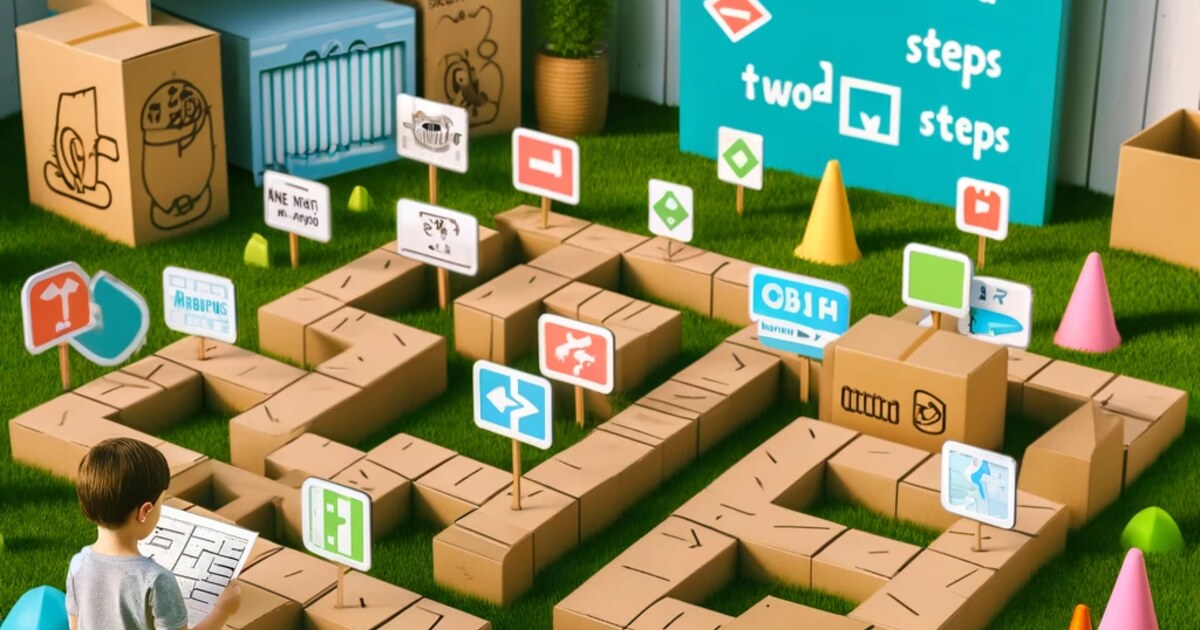
Thinking outside the box means looking at a problem in more than one way, suggesting an unusual possibility, and testing it instead of accepting the first answer. For a four-year-old, that might mean finding another way to move a toy. For a seven-year-old, it could mean drawing two maze paths. A ten-year-old might compare several solutions and explain a preference.
Begin with a small problem that has more than one possible solution, not a puzzle with one hidden answer. Ask how to build a tower that stays up, divide fruit fairly, or respond when a color is not where it should be. Praise noticing, questioning, and changing a plan when it fails—not only being “smart.”
Use a notice, ask, try, and review cycle
When a child meets a problem, resist solving it immediately. Ask, “What do we know?” and then, “What do we want to change?” Invite a sketch or a model with building pieces. After testing, review together: what worked, where did the path change, and what is the smallest adjustment to try now? These questions make solving a process the child can return to.
In a digital maze, a child can predict the sequence and find where the path changed. In a picture puzzle, ask the child to describe the clue before choosing. For a younger child, offer two possible questions or moves. For an older child, let them choose how to record or compare. Gradual support keeps the challenge real without leaving the child alone with it.
- Ages 3–5: “Show me two ways” with blocks or toys.
- Ages 6–8: “What is your evidence, and what is a second plan?” during a puzzle or maze.
- Ages 9–12: “What are the trade-offs?” such as time, materials, and ease.
Turn everyday materials into open-ended challenges
Place three cups, a spoon, and a sheet of paper in front of the child and ask how to keep a small ball from falling. Or give five blocks and ask for a shape with two entrances. For younger children, keep the goal concrete and brief. For older children, add one constraint such as a piece limit or time, then compare two versions instead of naming a winner.
In the kitchen, think about ways to arrange or share fruit; on a walk, look for more than one safe route with an adult. These challenges need no special purchases. The question should be adjustable, and the child should see the relationship between an idea and its result. Photograph a sketch or write one sentence about the revision instead of focusing on the finished product alone.
Turn a mistake into new information
If the tower falls or the character misses the goal, avoid saying, “I told you so.” Ask what the attempt taught you: a wider base, fewer steps, or a different material? Parents can share an unsuccessful attempt and describe what they would change. Seeing adults revise plans makes mistakes usable information rather than a judgment of ability.
Notice your language. “This plan has not worked yet” opens more space than “You are not good at this.” Let the child pause or return later; forced persistence can turn a challenge into pressure. Some children need a drawing, extra time, or a partner, and those are fair adjustments, not cheating.
Plan a short family challenge
Choose a 15–20 minute challenge once a week. Write the problem, invite one idea from each person, test two ideas, and ask what you would revise. A find-the-difference, maze, or sequence game on Katkuti can be a starting point, followed by a paper version. There is no need for one shared answer; each child can explain their evidence and plan.
FAQ: Does a child who solves quickly think outside the box more? Not necessarily. Speed can help, but flexible thinking also appears in explaining the reason and trying an alternative. Do we need advanced games? No. Start with an age-appropriate game or daily situation and change one question at a time. Children will differ; the goal is regular space to try and express ideas.