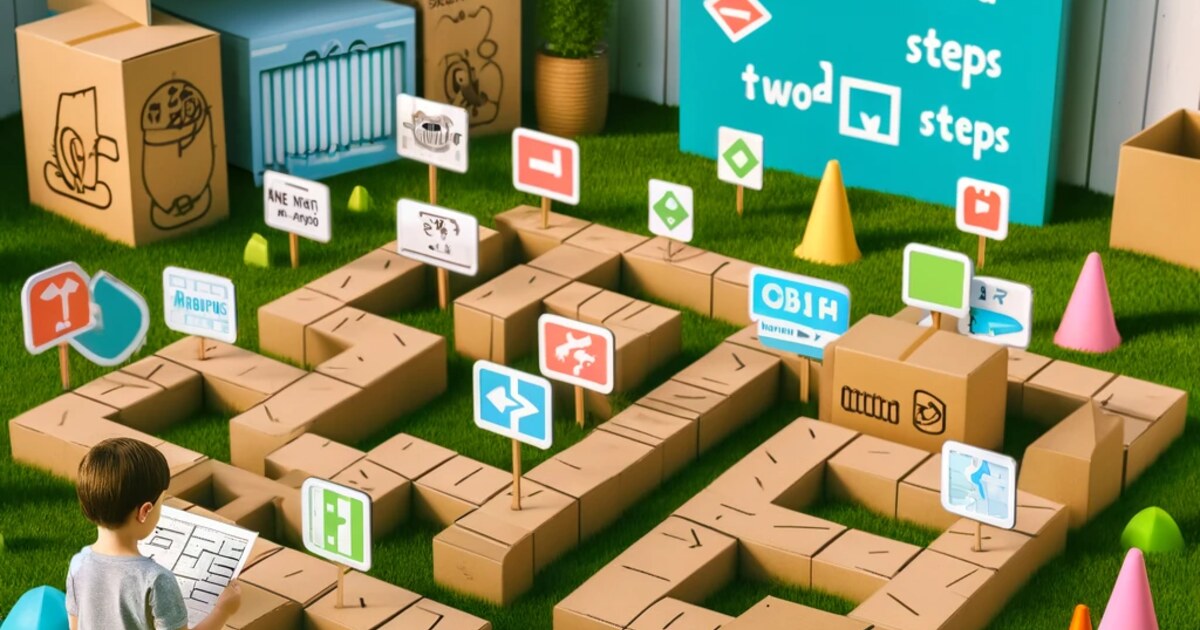
Katkuti Educational Games: Purposeful Interactive Play for Children
A guide to Katkuti’s Arabic and English games and their benefits at home, in schools, institutes, and community centers.
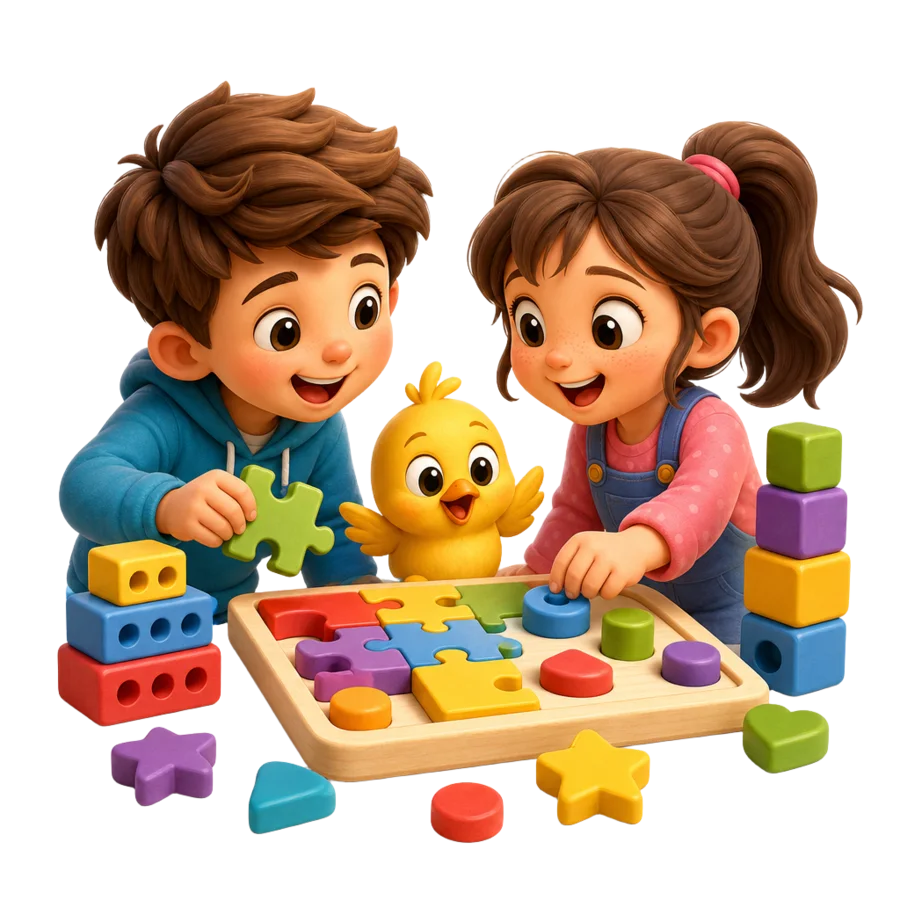
Arabic and English games across different skills
Katkuti includes activities for letters, numbers, colors, memory, sequences, observation, and puzzles. A child can begin with a clear short game, try again, and notice the relationship between a choice and the result on screen.
Games differ in language, skill, and interaction, allowing parents and teachers to select an activity that fits the goal and available time instead of presenting a long unfocused list.
Why use interactive play?
A useful game invites a child to notice, remember, compare, and decide. Repeat attempts can help the child revise a plan, while an adult can observe the thinking process and offer an appropriate hint.
Sessions should remain balanced with movement, conversation, and offline activity. Katkuti supports enjoyable learning; it does not replace teaching, physical play, or family participation.
- Choose one skill for each session.
- Give the child time before offering the solution.
- Finish by asking what the child tried.
Flexible use for groups and individuals
Schools, educational institutes, and community centers use Katkuti through desktop access. Adults can organize turns, invite two children to explain their choices, or use a short game before a paper or group activity.
At home, families can open the same game or choose a related activity. There is no need to repeat a class; asking about a strategy or connecting it to sorting, counting, and ordering everyday objects can continue the idea.
Choose a game now
Start from the games guide, choose an appropriate language, age, and skill, and try a short session with a movement break.