20 Classic Childhood Games: Their History and How We Played
An illustrated journey through simple games that brought children together at home, in schoolyards, and outdoors—from yo-yos and hopscotch to marbles and Sea and Land.
1. Yo-Yo
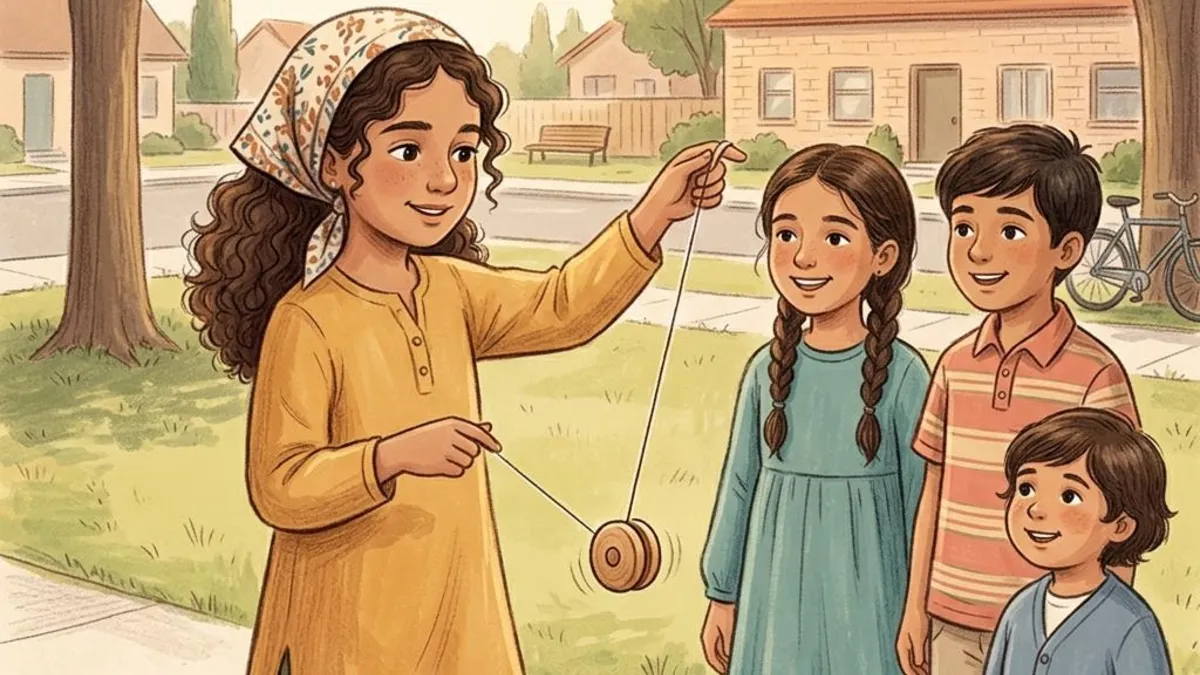
Forms of the yo-yo have appeared in several cultures, and ancient Greek art shows toys with a similar shape. The modern version, with string wound around an axle, spread worldwide during the twentieth century after it was developed and promoted in the United States.
The player holds the string, lets the two-sided toy drop, and guides it back up as the string rewinds. Practice led to tricks that keep it spinning or send it through different paths, turning a simple toy into a performance skill and competitive hobby.
2. Five Stones
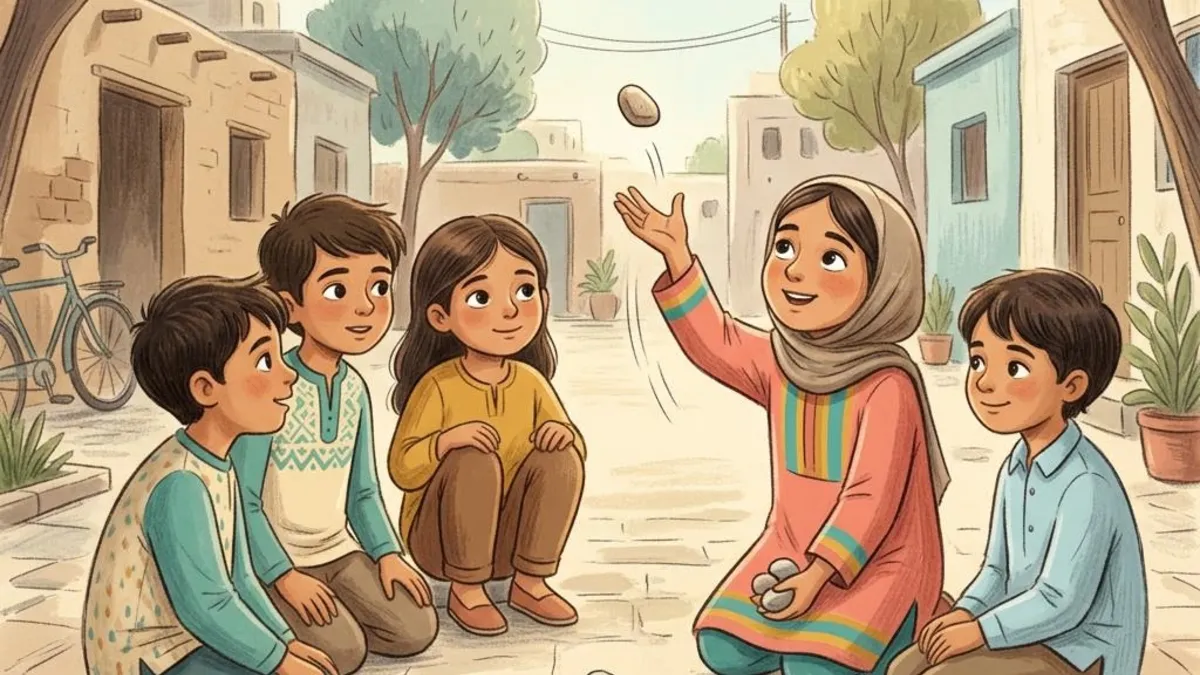
Small-piece pickup games are older than their local names. Versions were played in ancient Asia, Greece, and Rome using pebbles or small bones. Metal and plastic sets came later, but five suitable stones were always enough to play.
A player tosses one stone, gathers one or more from the ground, and catches the falling stone. Rounds progress from single pickups to larger groups and harder moves, including balancing pieces on the back of the hand or passing them through a finger-made gate.
3. Cat’s Cradle
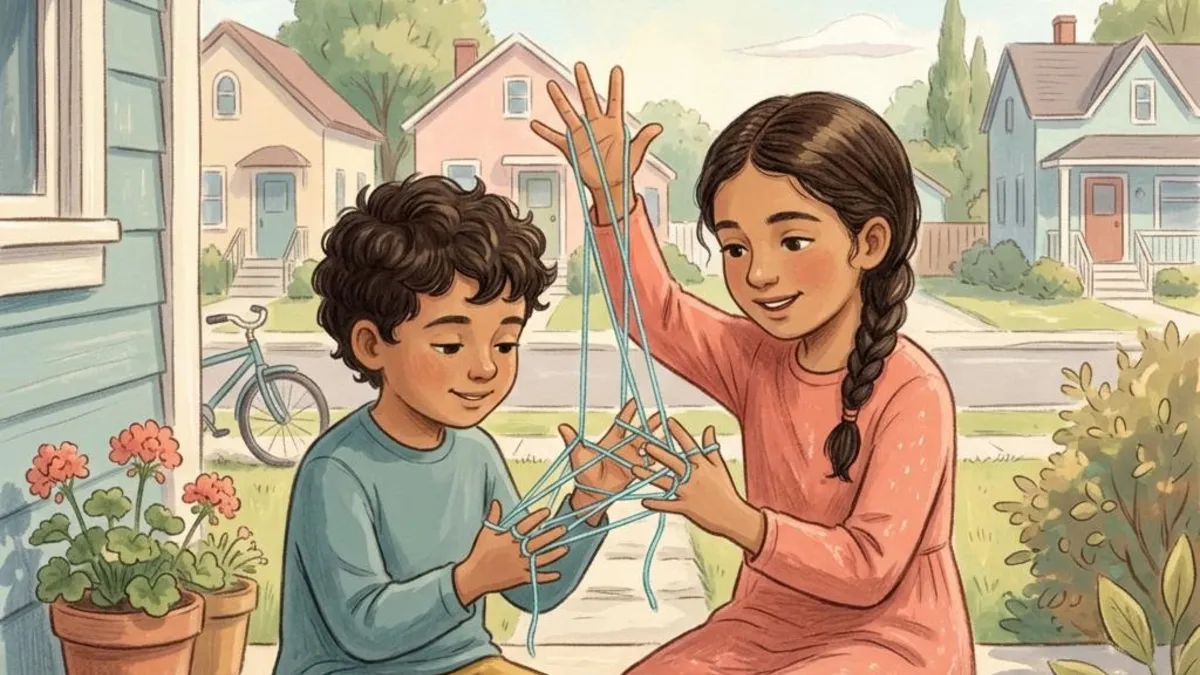
String-figure games are found across many cultures, from Pacific islands to Asia, Europe, and the Americas. They were not always just pastimes; some figures helped tell stories or represent animals and familiar objects.
A loop of string is arranged around the fingers, then two players transfer the pattern through a sequence of careful moves. Each move produces a new figure, and the player must remember where each finger goes to keep the web from collapsing.

4. Limbo
Limbo is associated with Caribbean traditions, especially Trinidad and Tobago. It spread internationally through music, performance, and parties during the twentieth century, eventually becoming a familiar group activity at celebrations and camps.
Players pass under a horizontal bar while leaning backward, without touching the bar or placing their hands on the ground. The bar is lowered after each round, demanding more balance and flexibility.
5. Clackers
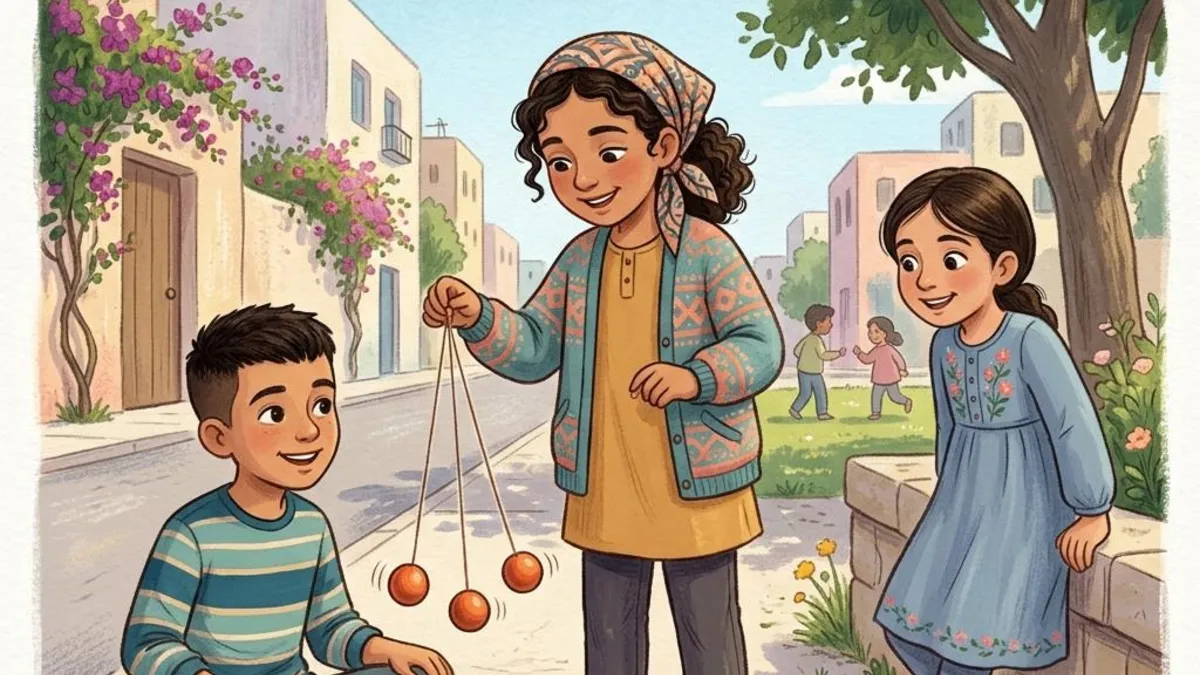
Clackers became a craze in the late 1960s and early 1970s. The toy used two hard balls attached by cords to a ring or handle, and their sharp rhythmic sound became part of the era’s playground soundtrack.
The player moves one hand in rhythm until the balls swing and strike above and below it. The toy required space and care. Some early versions faded because of safety concerns, while later designs used lighter materials and safer construction.
6. Hula Hoop
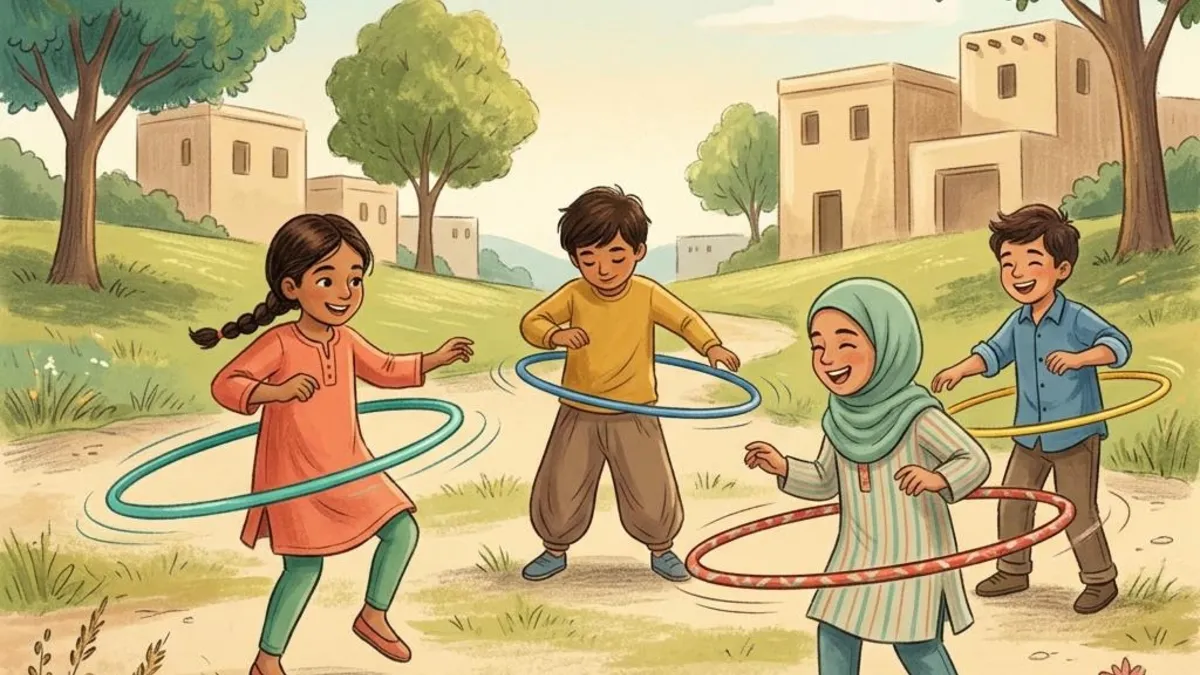
Hoops have been used for play and exercise since ancient times, but the modern plastic hoop became a worldwide craze in the late 1950s. Lightweight production and bright colors helped it reach playgrounds across many countries.
A player moves the waist rhythmically to keep the hoop spinning, though it can also circle an arm or leg. Contests measured the longest spin or the greatest number of hoops, while beginners simply worked on finding the rhythm.
7. Musical Chairs
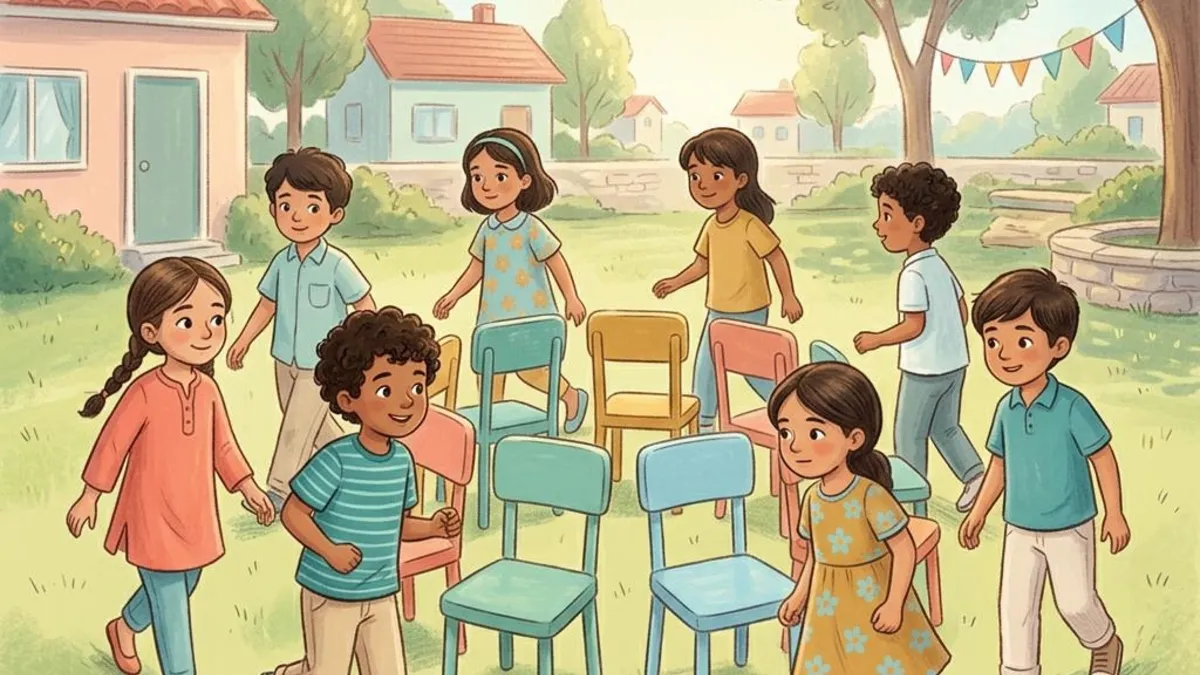
Seat-changing games existed before music players became common in homes. During the twentieth century, the musical version grew into one of the best-known party games because it was easy to organize at birthdays, schools, and camps.
There is one fewer chair than players. Children walk around them while music plays and try to sit when it stops. The player without a seat leaves the round, another chair is removed, and play continues until one winner remains.
8. Tic-Tac-Toe
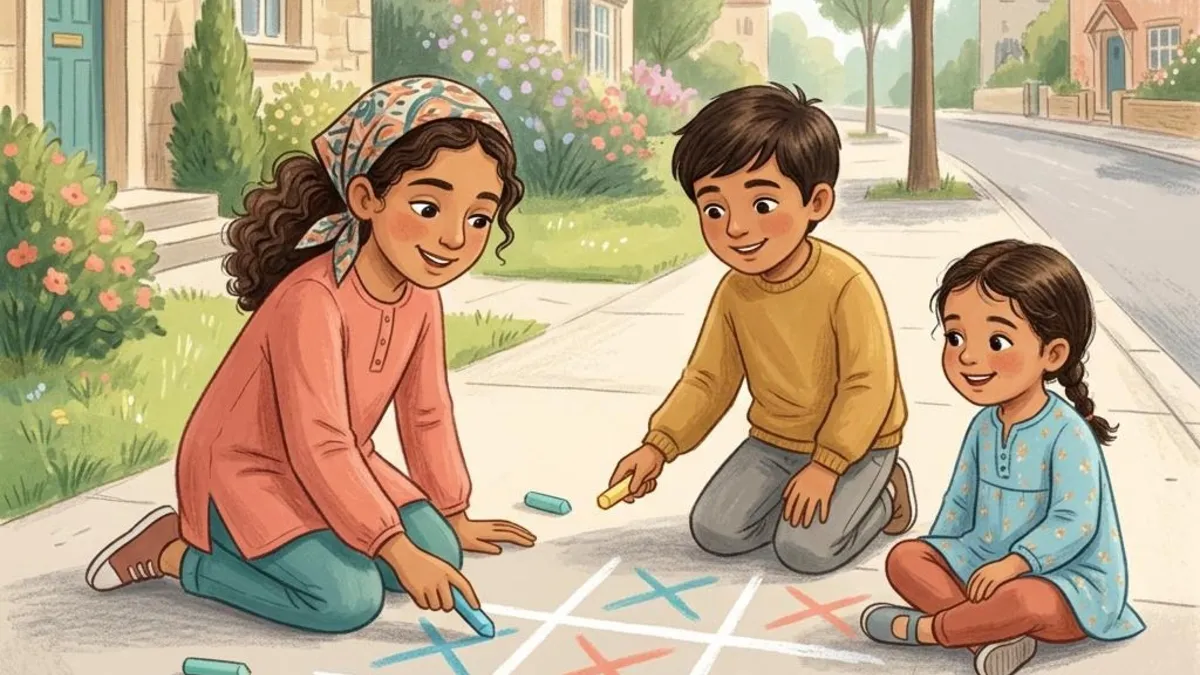
Three-in-a-row games have existed for centuries, and ancient game grids have been found in parts of the Roman world. The familiar modern form settled on a nine-square grid and became one of the most widespread pencil-and-paper games.
Two players alternate placing their marks and try to complete a row of three horizontally, vertically, or diagonally. The rules are simple, but winning depends on anticipating the opponent and blocking a line in time.
9. Paper Fortune Teller
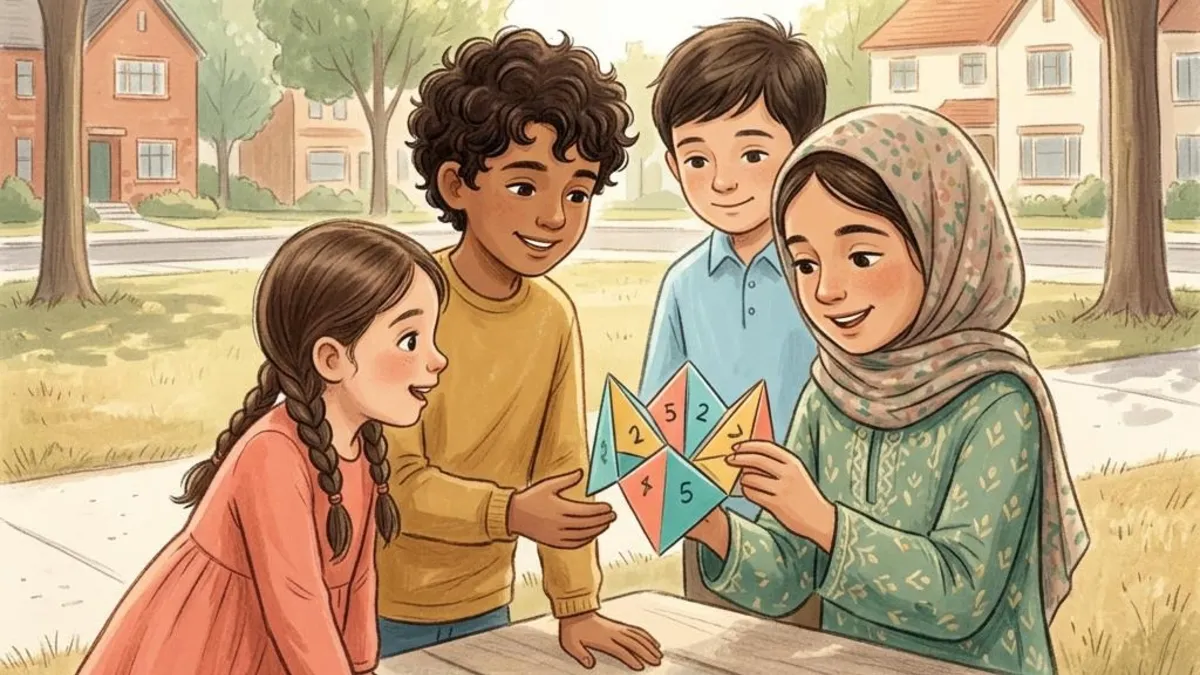
The paper fortune teller grew out of paper-folding traditions and later became a playground game of choices and questions. It has many names around the world, with children adding their own colors, numbers, and secret messages.
The folded paper forms four pockets controlled by the fingers. Another player chooses a color or number, and the folds open a set number of times until a playful task or answer is revealed inside.
10. Pogs
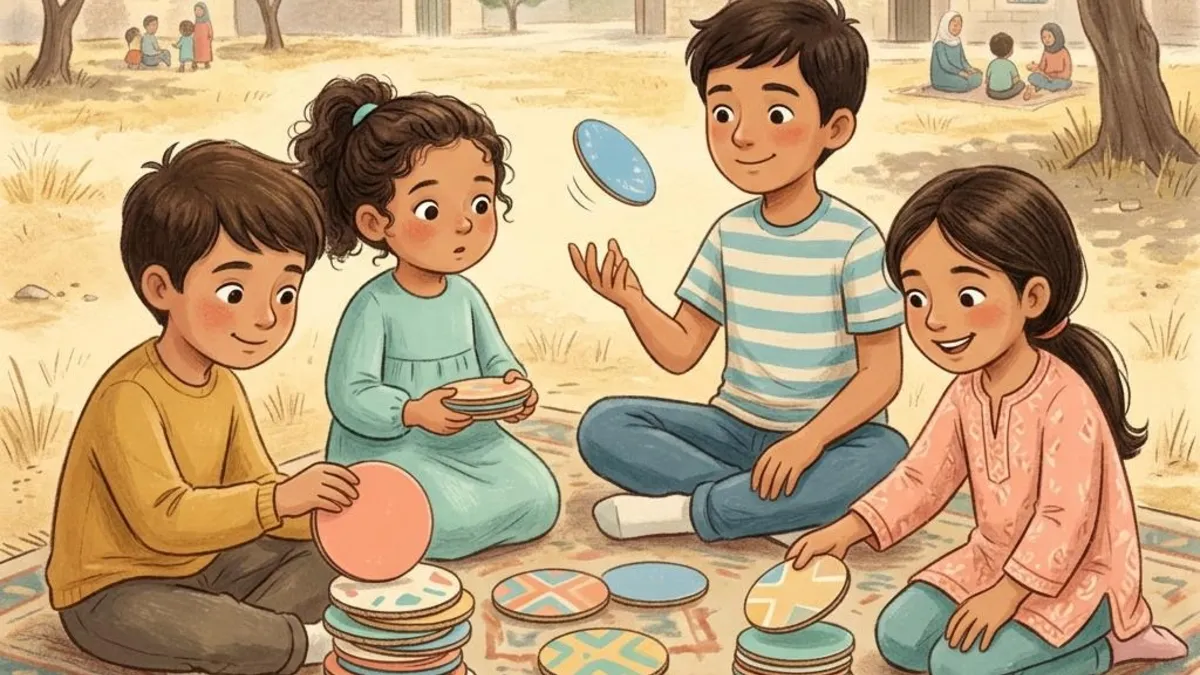
Cardboard-disc games began with drink-bottle caps and grew into a worldwide collecting and trading craze in the 1990s. Discs carried many different designs, so building and swapping a collection became as important as playing.
Players stack the discs and take turns striking the pile with a heavier disc. Any pieces that flip over are scored according to the agreed rules, combining aim, chance, and trading.
11. Spinning Top
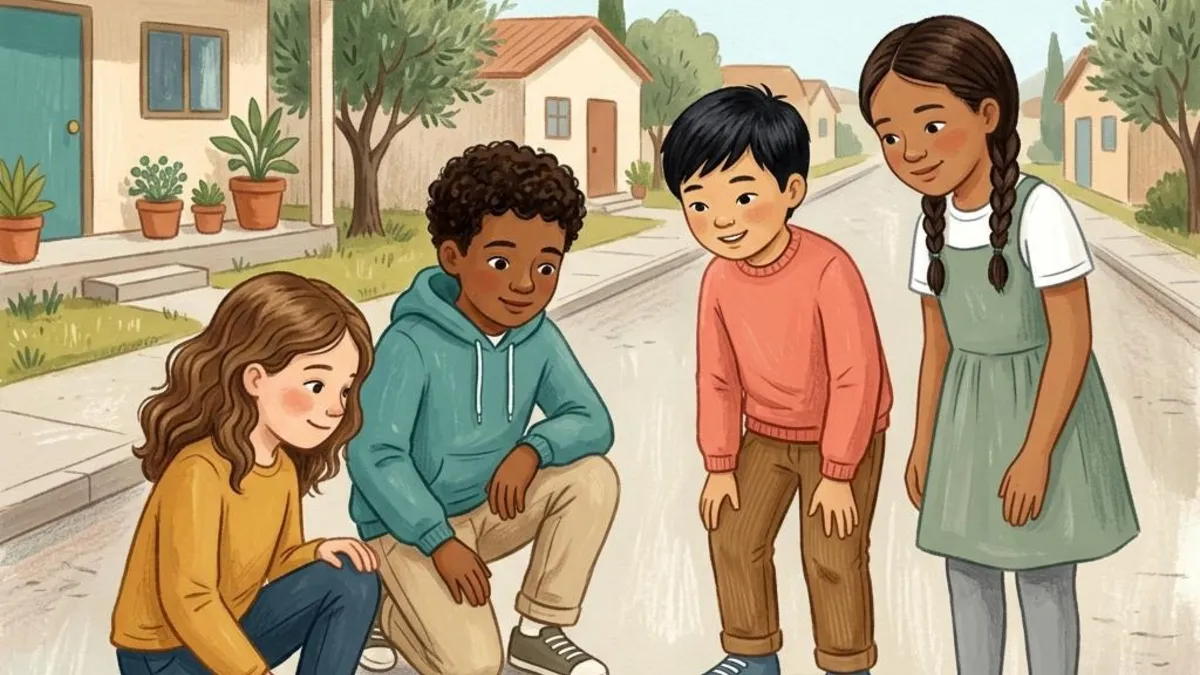
Spinning tops are among humanity’s oldest known toys and have been made from clay, wood, and metal. Their forms varied across civilizations, but the central idea remained the same: turning one quick motion into a balanced spin.
A player winds a string around the top, throws it, and pulls the string free to start the spin. Some contests reward the longest spin, while others involve striking a target or knocking another top out of a marked circle.
12. Hopscotch
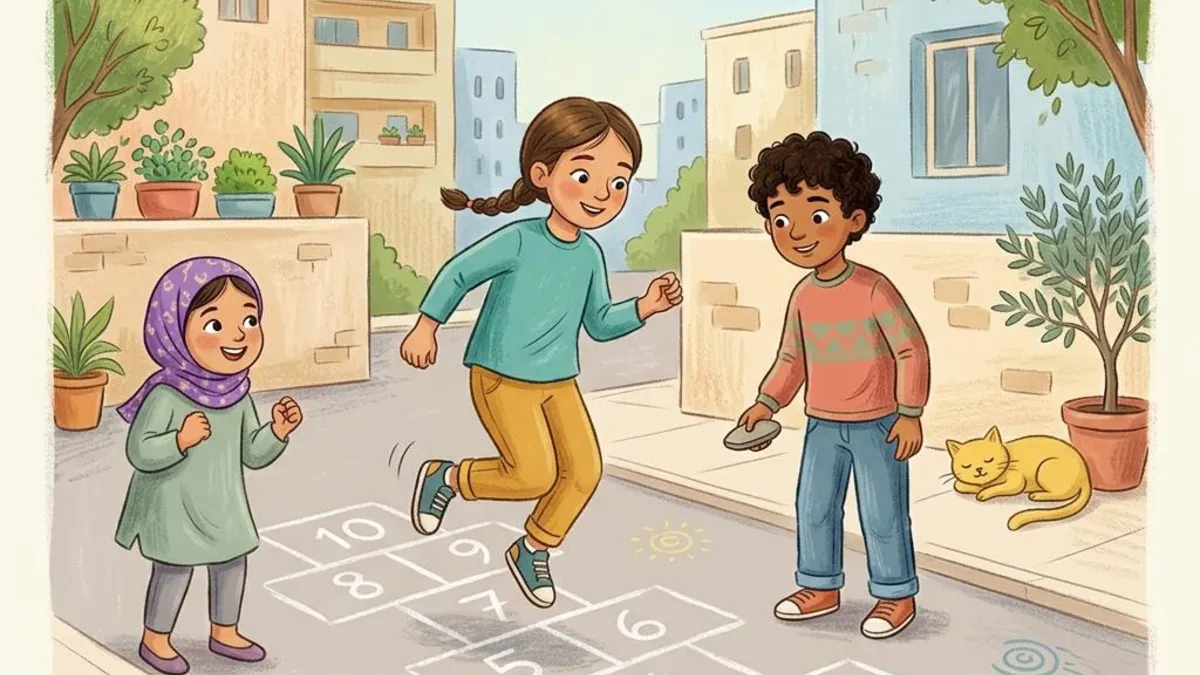
Grid-jumping games have a long history. Hopscotch-like courts appeared in Europe centuries ago and later spread with many local names and layouts. A piece of chalk or stone and a safe patch of ground were all that was needed.
The player tosses a marker into a numbered square, then hops through the course on one or two feet without touching the lines. On the way back, the marker is collected before moving to the next number.
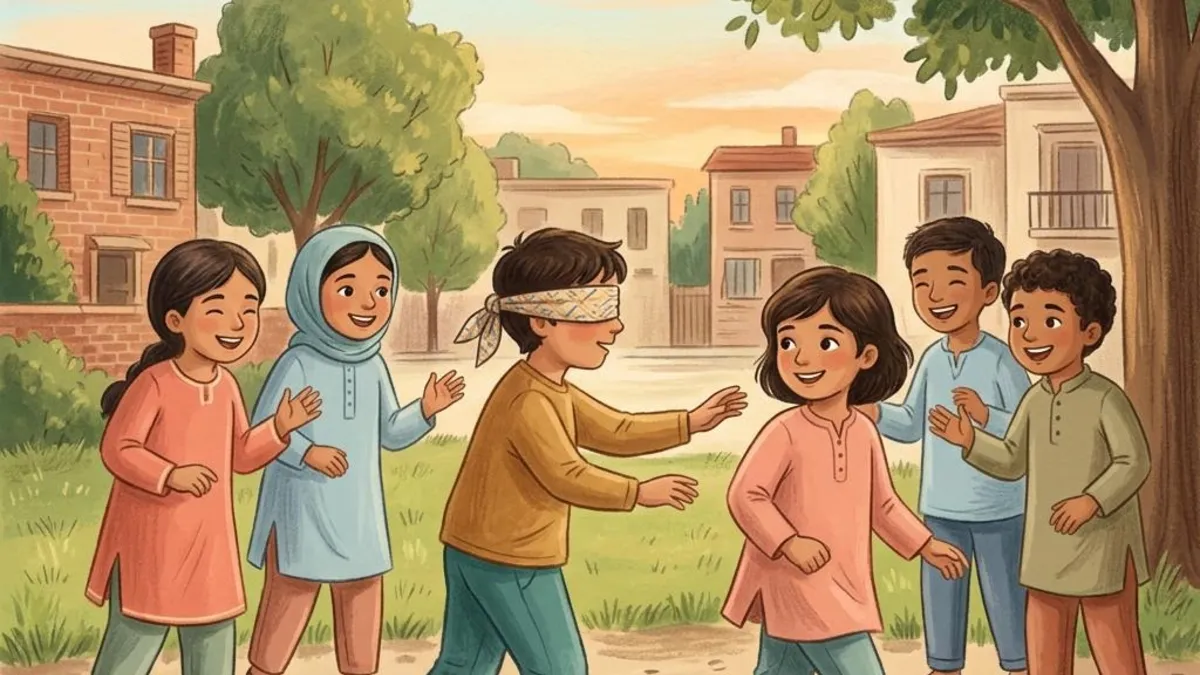
13. Blind Man’s Buff
Blindfold chasing games have been known for centuries in Europe and Asia and appear in old art and writing as entertainment for both adults and children. Names differ by country, but listening and careful touch remain central.
One player is blindfolded in a clear, safe space while the others move nearby and make small sounds. The blindfolded player tries to catch or identify someone, who then takes the next turn according to the group’s rules.
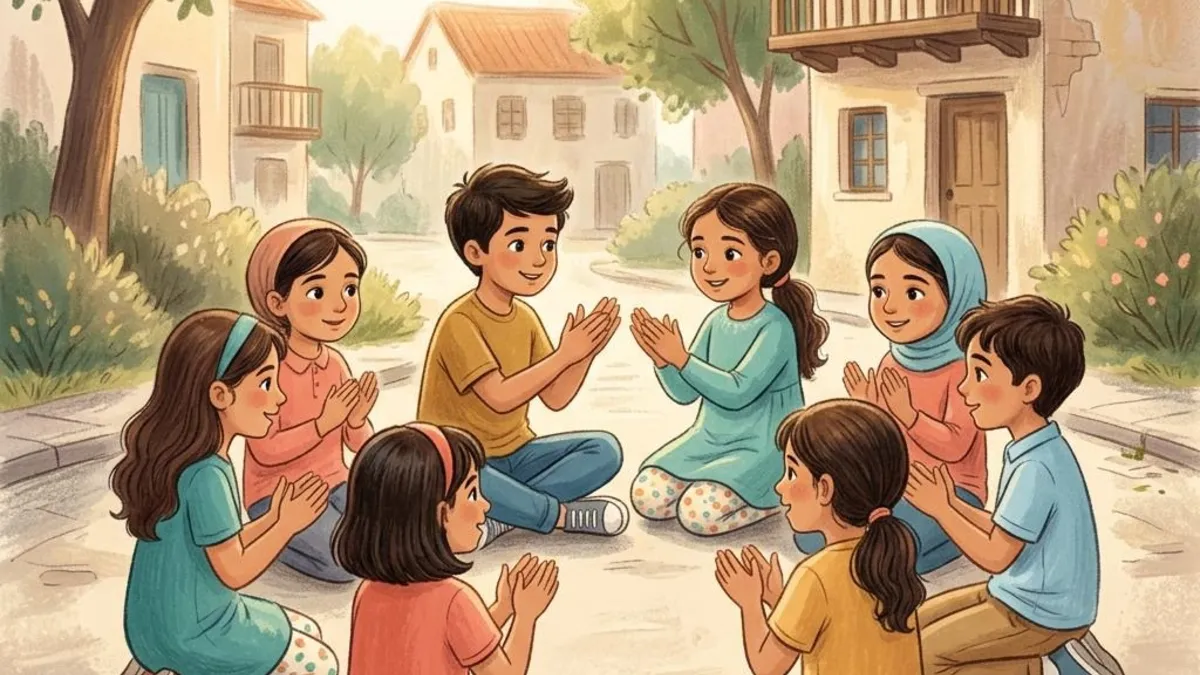
14. Circle Hand-Clapping Game
Song-based clapping games spread orally from child to child, so their lyrics and rhythms changed between neighborhoods and generations. Schools and camps helped melodies travel, while each group added its own words and variations.
Children stand or sit in a circle and pass a clap from hand to hand in time with the song. On the final count, one child tries to tap the next hand while its owner pulls away, and the game continues toward a final round.

15. Rock, Paper, Scissors
This game belongs to a family of hand-signal games known first in China and later Japan before the modern form spread worldwide. It became a quick way to settle a choice because it needs no equipment and takes only seconds.
Two players reveal signs at the same moment: rock beats scissors, scissors beat paper, and paper beats rock. Matching signs produce a tie and another round.
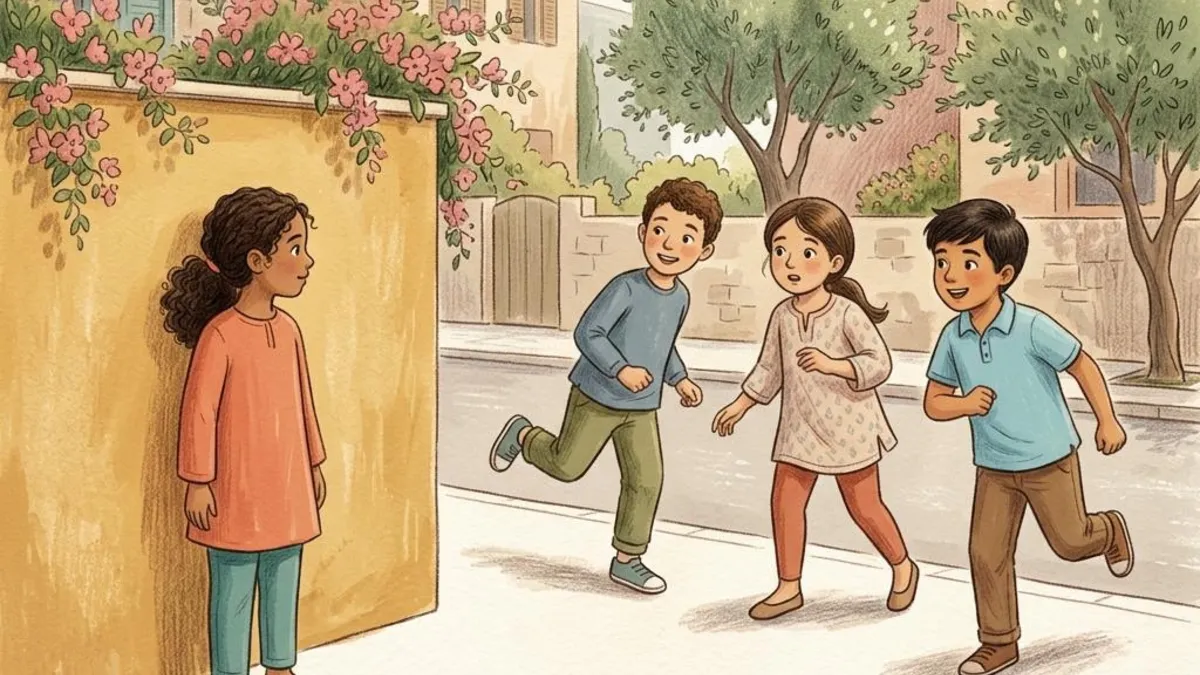
16. Red Light, Green Light
Advance-and-freeze games exist in many countries, each with its own call or rhyme. They spread easily because large groups can play without equipment, combining speed with body control and careful listening.
One leader stands at a distance and turns away while everyone else advances. When the call ends and the leader turns around, all players must freeze. Anyone seen moving returns to the start, and the first to reach the leader wins.
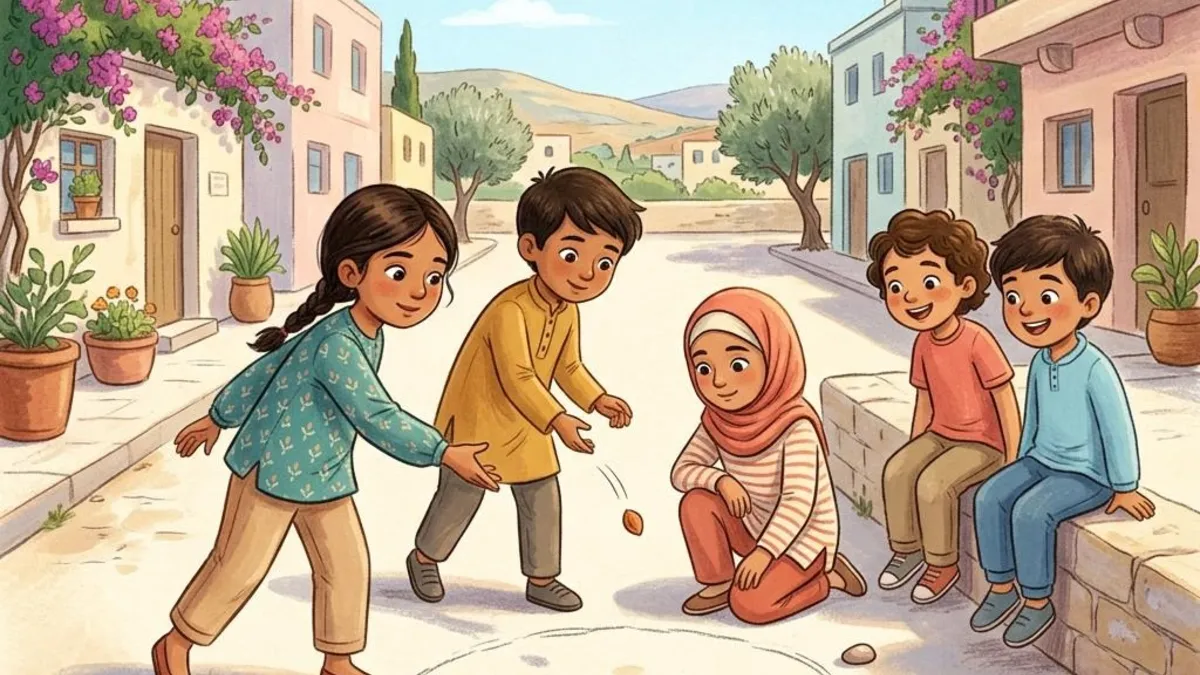
17. Apricot-Pit Games
Where apricots were common, their hard pits became inexpensive seasonal game pieces. Children collected, dried, and traded them, and in some neighborhoods they functioned almost like a small currency during fruit season.
Rules varied by group: players might aim at a hole or circle, strike a pile, or throw as close as possible to a wall. Pits were won according to accuracy and whatever rules everyone accepted before the round.
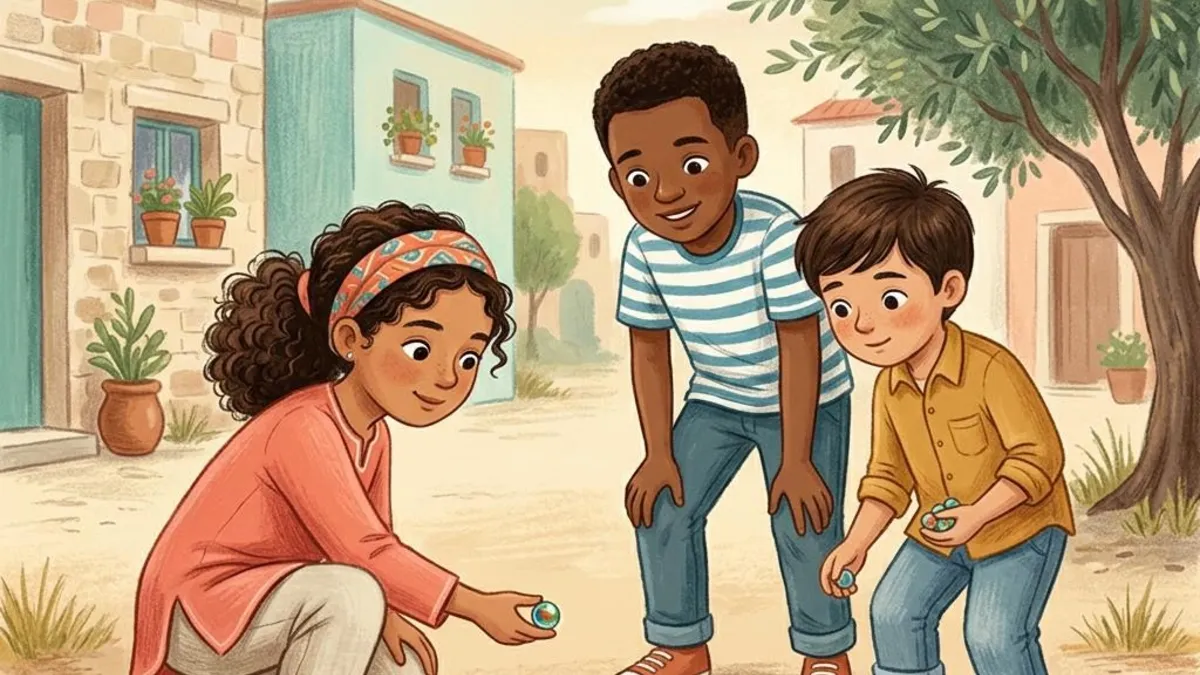
18. Marbles
Small balls made from stone and clay have been played with for thousands of years. During the nineteenth century, improved glassmaking—and later machine production—made colorful glass marbles widely available for games and collecting.
Rules vary: hit an opponent’s marble, reach a small hole, or knock pieces out of a circle. Players usually flick a shooter marble with the thumb, judging both angle and force.
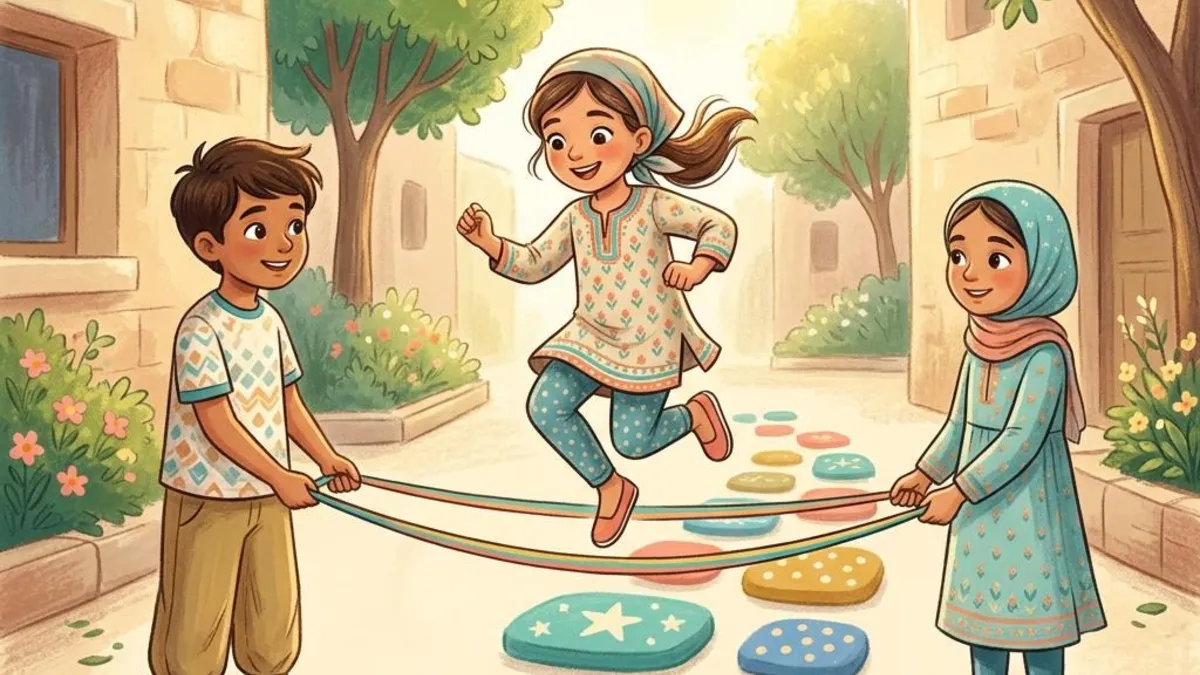
19. Elastic Jump
Long-elastic jumping games spread through many schoolyards during the second half of the twentieth century. A simple elastic loop supported movement sequences that groups memorized, adapted, and passed from class to class.
Two players hold the loop around their ankles while a third performs a pattern of jumps inside, outside, and over it. After success, the elastic rises to the calves and knees, making each sequence harder.
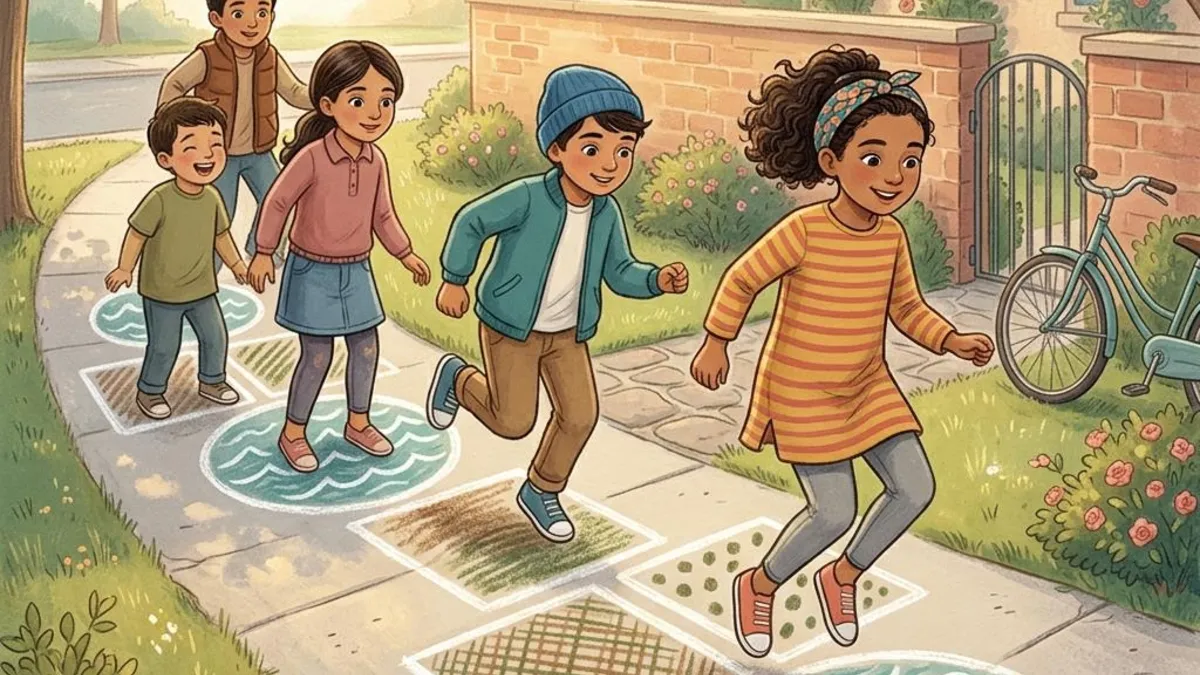
20. Sea and Land
Sea and Land belongs to a broad family of quick-command games played in schoolyards and camps. It gained many local names because setup requires nothing more than a line dividing two spaces.
Players stand near the line and jump to the sea or land side when the leader calls. The leader may repeat a word or speed up commands to cause mistakes. A player who jumps the wrong way leaves the round or receives a penalty point.